
County Inspections Don’t Have to Be a Nightmare (Here’s How We Help)
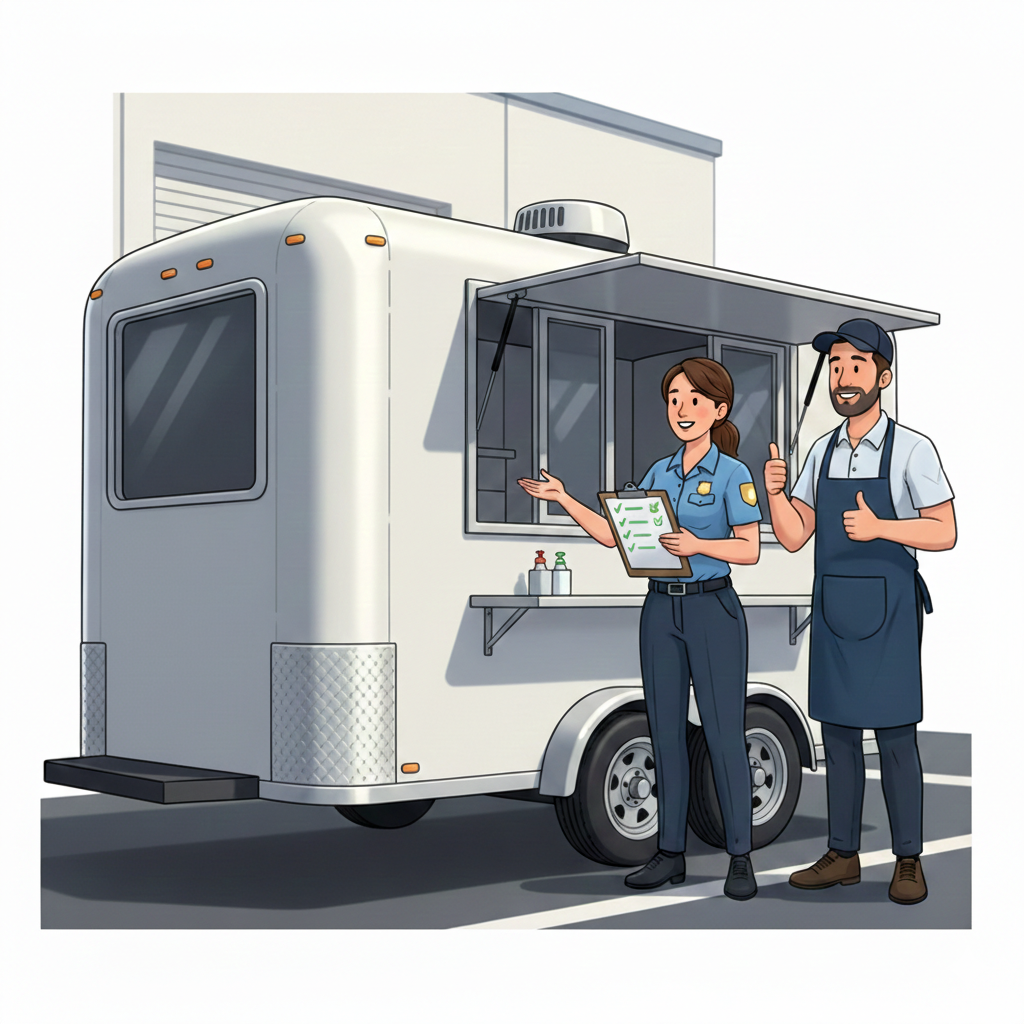
If you’ve ever dealt with a building inspector, you know the feeling of waiting for someone to find a problem you didn’t even know existed. County health inspections can feel the same way. Most new operators worry the inspector will pick apart their trailer or slap them with fines. But inspections are easier when you know what to expect. At Culinary Coachworks, we guide you through every step—from plan reviews to final permit—so you can open your mobile food service with confidence.
Why Inspections Matter
Inspections aren’t just bureaucratic hoops; they protect customers and operators. Counties like Fresno inspect mobile food vendors and require operators to pay permit fees on time. Starting April 1, 2025, Fresno will assess reinspection fees if you miss the Mobile Round‑Up. Meanwhile, Los Angeles County requires plan checks, equipment specifications and commissary agreements before issuing permits. Meeting these requirements ensures your trailer is safe, clean and compliant.
How We Prepare You
1. Plan review support. We prepare your layout and equipment lists for county plan review. Fresno County’s initial plan approval takes about 20 business days, we make sure your submission is complete to avoid delays.
2. Code‑compliant design. We build trailers with mechanical exhaust ventilation and automatic fire‑suppression systems as required by updated California codes. We select ANSI‑certified equipment approved by health departments ensuring that inspectors check off boxes instead of writing violation reports.
3. Pre‑inspection walkthrough. Before the official inspection, we conduct our own walkthrough. We simulate an inspector’s visit—checking water temperatures, verifying storage and ensuring proper signage. You’ll know exactly what to fix ahead of time.
4. Commissary coordination. We help field questions about your commissary agreement. Inspectors often ask to see your commissary paperwork; having this ready speeds up the process.
5. Onsite support. We attend inspections whenever possible, especially for first‑time builders. Having someone who speaks the inspector’s language calms nerves and helps address questions on the spot.
Common Inspection Checklist Items
Here are a few areas inspectors look at:
Temperature control: Refrigeration must keep potentially hazardous foods below 41°F, and hot holding units must maintain foods at or above 135°F. Have thermometers ready.
Fire safety: Ventilation and fire‑suppression systems are required when cooking produces grease vapors. Keep extinguishers up to date and accessible.
Handwashing stations: Each trailer needs a dedicated hand sink with hot and cold water. Keep soap and towels stocked.
Sanitation and storage: Surfaces must be smooth and easy to clean. No storing food at home—everything must return to the commissary.
Documentation: Inspectors will ask for your business license, food handlers cards, mobile food facility permit and commissary agreement.
FAQs
-
Yes. Each county has specific processes and deadlines. Fresno has the Mobile Round‑Up, while Los Angeles requires plan checks and equipment spec.
-
Inspectors give you a list of corrections and schedule a reinspection. We help you address issues quickly.
-
You risk paying penalties or losing your permit. For example, Fresno County imposes fines for missing their Mobile Round‑Up. Don’t wait until the last minute to schedule inspections.
-
No. California law mandates that mobile food units use a commissary for cleaning and storage.
County inspections aren’t monsters under the bed. With the right preparation and guidance, you’ll breeze through the process and serve with confidence. Don’t let fear delay your dream—work with a builder who knows the rules and stands beside you. Ready to pass with flying colors? See how we help with inspections or Request a Quote and let’s get you ready for opening day. Also, check out our rentals for a faster way to enter the mobile kitchen market.